
The Health Library
The Health Library offers easy-to-understand, evidence-based guides to coughs, colds and allergies. Explore symptoms, causes, home care, prevention and guidance on when to seek medical advice.
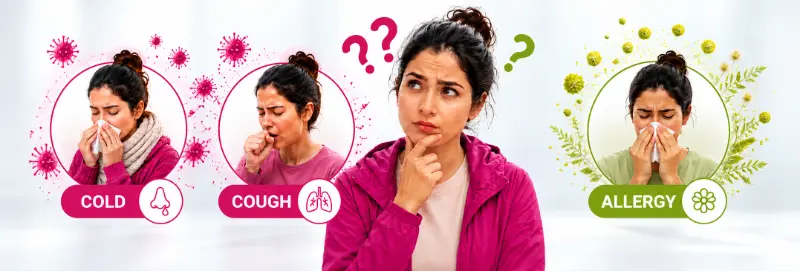
What Is the Difference Between a Common Cold, Cough and Allergy?
A common cold is a viral infection, a cough is a reflex that clears the airways, and allergic rhinitis is an immune response to allergens. Their symptoms may overlap, but their causes differ.

What Are the Different Types of Cough?
Coughs can be classified by mucus production (dry or wet), duration (acute, subacute or chronic), and how they are triggered or controlled (reflex, voluntary or evoked).

Why Do Babies Get Colds and Coughs in Their First Year?
Babies commonly develop colds and coughs because their immune systems are still developing. Parents can provide supportive care and watch for symptoms that need medical attention.
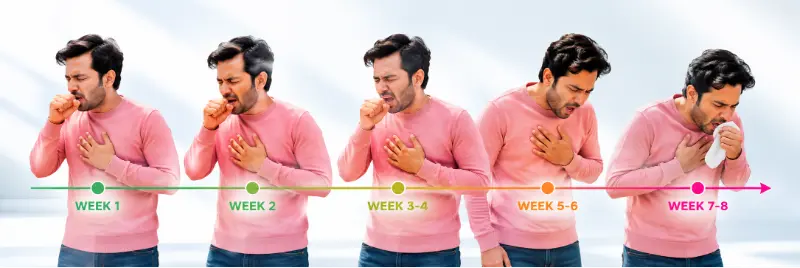
What Causes a Persistent Cough and When Should You See a Doctor?
A persistent cough lasting more than 8 weeks may be linked to asthma, post-nasal drip, acid reflux, infection, smoking, pollution or certain medicines. A doctor can help identify the cause.
What Are the Most Common Myths About the Common Cold?
The common cold is caused by viruses, not by cold weather, walking barefoot or wearing too few layers. Antibiotics do not treat viral colds.

How Can Workplace Dust, Fumes and Chemicals Affect Lung Health?
Exposure to workplace dust, fumes and harmful chemicals can increase the risk of respiratory problems, including occupational asthma and COPD. Preventive safety measures and medical evaluation are important.

What Are Simple Home Remedies for Cough and Cold Relief?
Simple home care measures, including drinking fluids, gargling with salt water and selected remedies such as honey, may help relieve some cold and cough symptoms.

Why Are Coughs and Colds More Concerning in Older Adults?
Coughs and colds may affect older adults more seriously, so recognising early symptoms and taking preventive measures is important. Knowing when to seek medical care can help reduce complications.

When Should You Worry About Fever With a Cold or Cough?
Fever with a cold or cough can be part of the body’s response to a viral infection. A high or persistent fever, especially with difficulty breathing or chest pain, needs medical assessment.

When Should You Get Tested for Tuberculosis (TB)?
A cough lasting three weeks or longer, especially with fever, night sweats or unexplained weight loss, may be a sign of tuberculosis (TB). Consult a doctor for an assessment and TB testing.

What Causes Coughs and Colds in Children, and How Can Parents Help?
Children often catch colds through contact with viruses. Rest, fluids and hygiene can help manage symptoms.

Should You Use Cough Medicines or Antibiotics for a Cough?
Most coughs and colds caused by viruses improve without antibiotics. Use cough and cold medicines, especially for children, only with appropriate professional guidance.

How Do Weather and Seasonal Changes Affect Respiratory Health?
Changes in temperature, humidity and allergens can trigger cough, wheezing and breathing difficulties in people with asthma or allergic rhinitis.

What Environmental Factors Can Trigger a Cough?
Dust, smoke, strong scents, cold air and air pollution can trigger coughing, especially in people with a sensitive cough reflex. Workplace dust and gases may also contribute to chronic cough.
Disclaimer:
The information provided in this blog is to help you understand about cough, cold, and allergy a little better — it's not a substitute for seeing a doctor.Every person is different, so please check with a healthcare professional for advice specific to you or your child, especially before starting any medication or if symptoms last more than a few days.
If you're ever worried, don't wait — reach out to your doctor.